
What Size Wooden Planter Do I Need for My Garden?
5th Jan 2026
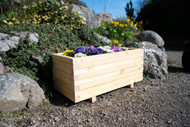
Choosing the right size wooden planter can make a huge difference — not just to how your garden looks, but to how well your plants grow.
One of the most common questions we’re asked at Highland Wood is:
“What size planter should I go for?”
The answer depends on a few simple things: the space you have, what you want to plant, and how you plan to use it. This guide will help you choose the right size with confidence.
1. Consider the Space You Have
Before thinking about plants, start with the area where the planter will sit.
Small spaces (patios, balconies, entrances)
If space is limited, compact planters work best. These are ideal for:
-
Doorways
-
Small patios
-
Courtyards
-
Apartment balconies
A smaller rectangular or square planter can add greenery without overwhelming the space, while still giving roots enough room to grow.
Medium gardens
Medium-sized gardens offer more flexibility. You can:
-
Use planters to define areas
-
Create borders or focal points
-
Mix different planter sizes for visual interest
This is where longer rectangular planters really come into their own.
Large gardens
Larger gardens suit bigger planters that feel proportionate to the space. Oversized planters can:
-
Anchor open areas
-
Be used as natural dividers
-
Create raised planting beds without permanent landscaping
2. What Are You Planning to Plant?
This is just as important as the available space.
Flowers
Most bedding plants and flowers don’t need excessive depth, but they do benefit from good drainage and airflow.
-
Smaller or medium planters work well
-
Wider planters allow for fuller displays
Herbs
Herbs need enough room for roots to spread, especially perennial herbs.
-
Medium-depth planters are ideal
-
Longer planters allow you to grow multiple herbs together
Vegetables
Vegetables usually need more depth than flowers.
-
Root vegetables (carrots, potatoes) need deeper planters
-
Salad leaves and strawberries can manage with slightly shallower ones
If you’re growing vegetables, choosing a deeper, sturdier planter will give much better results.
Shrubs and small trees
Shrubs need space — both width and depth.
-
Large planters are essential
-
Strong construction is important to support the weight of soil and roots
3. Why Depth Matters More Than You Think
Depth is often overlooked, but it’s critical for healthy growth.
Shallow planters:
-
Dry out faster
-
Restrict root growth
-
Limit what you can plant
Deeper planters:
-
Retain moisture better
-
Support stronger root systems
-
Are more versatile long-term
If you’re unsure between two sizes, it’s usually better to go slightly deeper.
4. Using Planters to Shape Your Garden
Wooden planters aren’t just for planting — they’re a design feature too.
Long planters can:
-
Create privacy
-
Separate seating areas
-
Define paths or boundaries
Square or tall planters can:
-
Frame entrances
-
Highlight corners
-
Draw the eye to key areas
Choosing the right size helps your planter look intentional rather than like an afterthought.
5. A Quick Size Guide
As a rough guide:
-
Small planters: ideal for flowers, herbs, and compact spaces
-
Medium planters: great for mixed planting, herbs, and vegetables
-
Large planters: best for vegetables, shrubs, and making a statement
The right size is the one that fits your space and gives your plants room to thrive.
Final Thoughts
Choosing the right planter size doesn’t need to be complicated. Think about where it will go, what you want to plant, and how you want your garden to feel.
A well-sized wooden planter will not only look better — it will last longer and help your plants grow stronger.
If you’re looking for a strong, handmade wooden planter built for UK gardens, you can view our full range here:
Click Here